
Comparison of the Efficacy of the Early LI-SWT Plus Daily Tadalafil with Daily Tadalafil Only as Penile Rehabilitation for Post-prostatectomy Erectile Dysfunction

Emergent Versus Delayed Lithotripsy for Obstructing Ureteral Stones: a Cumulative Analysis of Comparative Studies
Emergency Extracorporeal Shockwave Lithotripsy as Opposed to Delayed Shockwave Lithotripsy for the Treatment of Acute Renal Colic Due to Obstructive Ureteral Stone: a Prospective Randomized Trial

Comparative Study on Treatment Satisfaction of Low Intensity Extracorporeal Shockwave Therapy Versus pde5i

AUA 2022

Join Medispec, May 13-16, 2022, at the AUA Annual Meeting to be held at the New Orleans Convention Center, Booth 1355. Gain the latest evidence-based science and education in urology!
Medical Device Reduces Pain and Discomfort for Female Sexual Dysfunction (FSD) Patients

LilyCare is a uniquely non-invasive and no-pain approach to treating female sexual health. It’s fast, easy, and effective.
What is Multi-Wave?
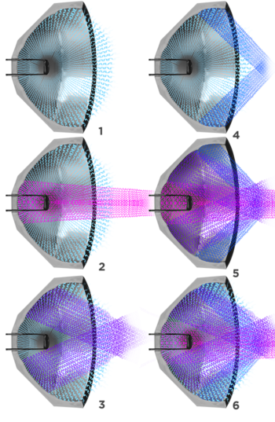
MEDISPEC’S MULTI-WAVE IS A PATENTED, HIGH-ENERGY, ADVANCED ACOUSTIC WAVE. Technology behind safe alternatives to surgery Encouraging the body’s natural healing processes Speed healing with the most effective shockwaves on the global market. Relax. Your patient’s health is in good hands with Medispec and its Multi-Wave technology, producing healing acoustic pressure waves, engineered for a powerful […]
What is the energy level used in Thermaspec treatment?
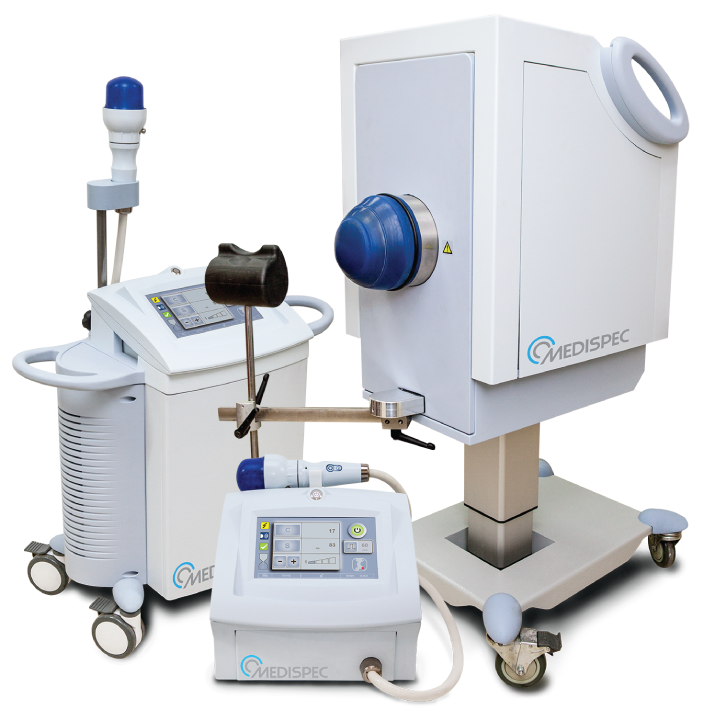
While most equipment applicators transmit a high level of energy (in some of them up to 80 Watts), (attributed to the cooling system), Medispec’s Thermaspec uses only 40 Watts for reaching the Working Temperature Level and then only 20 Watts for maintaining the application’s temperature level (applied energy).
What is unique about this medical device?

Thermaspec allows the doctor or medical professional to adjust the position of the applicator to the size of the prostate by using special marks on the catheter. Medispec developed an applicator that is multi-use. Thermocouples are installed on the applicator itself. The doctor or medical professional must replace the catheter between patient treatment sessions. For […]
Is there a risk for the rectum?
In equipment with the cooling systems, temperature sensors (“Thermocouples”) are only evaluating the reaching temperature to the prostate, and therefore it is recommended to use a trans-rectal probe. Within Thermaspec, sensors are taking the exact measurement of the temperature received by the prostate, with no interference of cooling water.
What are the main advantages of Thermaspec medical device system?
Level of Energy – While most equipments’ applicator transmits a high level of energy (in some of them up to 80 Watts), Medispec’s Thermaspec uses a relatively low temperature while maintaining the application’s temperature level (applied energy). Minimum Risk for the Rectum – In the equipment cooling systems, the Temperature Sensors (“Thermocouples”) are only EVALUATING the temperature […]
Who is a candidate for Thermaspec treatment?
Patient is diagnosed with symptomatic Benign Prostatic Hyperplasia based on detailed medical history, physical examination, including a urinalysis, and the assessment of renal function, Uroflowmetry, and Post-Void Residual urine measurements (PVR). Patient has defined lower and upper size limits of the prostate (set by sponsor’s expectation of therapy) The AUA symptom Index value should be […]
Who is ineligible to receive Thermaspec treatment?
If a patient has an existing condition involving the below, then he/she is ineligible for Thermaspec treatment. Neurogenic bladder Bladder Calculi Pacemaker, Arrhythmia T.I (recent) Metal implant in the urethra Anti-coagulant treatment Symptoms of prostate cancer Urethral stricture Urination problem of patient caused by something besides benign prostate hyperplasia Untreated infection on urine path Kidney […]
If the patient is on a pacemaker, will the ESWL affect the pacemaker?
A cardiologist will decide if you can have ESWL.
What are the risks in using ESWL specifically with pediatric patients – young children or babies who have kidney stones (from infant to 2 years old)?
ESWL is a good treatment option for children because it allows for minimization of anesthesia and radiation exposure. Also, children have less flank pain than adults with kidney stones in general, because they pass the stones easier. Children 2 years and younger expel stones better than adults.
Can ESWL effectively break up stones at all levels of the ureter?
Yes, ESWL is highly effective for treating ureter stones. More than one session may be needed to completely remove the stone.
What are the risks of the ESWL procedure?
It is possible that the kidney stone may not be completely removed. You may experience bruising, grazing, or blistering of the skin where the shockwaves have passed through.
Are there any side effects following a lithotripsy procedure?
The patient may experience: Urine in the blood Some pain as you pass the pieces of kidney stones
What is the stone-free rate using ESWL compared to laser?
Lingeman and Newman indicate 95% stone-free rate for stones <1cm and 87% for stones 1-2 cm (1990). According to one studyin the Oman Medical Journal, the stone-free success rate of lithotripsy is 74% for kidney stones and 88% for ureter stones (2013).
What happens following a lithotripsy treatment?
A couple of hours after the procedure, you may be able to go home. Make sure someone can take you home. There are medicines available to ease any pain or discomfort you may have. The doctor treating you will consider how well your kidney is functioning before prescribing any medicines, as certain medicines can cause […]
What can a kidney stone patient expect during a lithotripsy procedure?
The treatment itself takes about 30-45 minutes. You will most likely wear a hospital gown and undergo the procedure in a hospital setting. You may not be awake for the procedure. The acoustic waves travel into the body, breaking up the stones into very small pieces.
Is lithotripsy treatment painful?
The treatment is not painful, especially if your doctor puts you under a light or local anesthesia.
What can a patient expect before a lithotripsy procedure?
Physical exam by a doctor or specialist, urologist X-ray , ultrasound , or CT scan to determine the thickness, depth, and location of the stone(s) The doctor needs the x-ray to be completely up-to-date before the procedure. He/she will need to review the position and type of stone being treated to ensure the most effective […]
Aside from clinical considerations, is ESWL a more cost-effective treatment for kidney stones than laser?
Dr. Ran Katz, Head of Urology at Ziv Medical Center and Bar-Ilan University, says yes. Stone per stone, laser and other treatments generally require follow-up procedures that are not necessary with ESWL.
Why choose Lithotripsy over other stone procedures such as Percutaneous Nephrolithotomy (PCNL) or Ureterorenoscopy (URS)?
ESWL requires: Few to no follow-up procedures 1-day hospital or ambulatory Effective for children & infants Less pain than other procedures Less UTIs Local or no anesthetics required Lower ER admission rate Shorter treatment time Lower to zero exposure to x-rays (since ultrasound is an option)
What are the main causes of kidney stones?
Combination of drinking insufficient water & having a modern high-sodium diet Genetic tendency to create stones Kidney stones are created when minerals and salts in urine crystalize, combine together, and form stones. They can cause pain and even infection when they block the urinary tract system.
Who is NOT a candidate for lithotripsy?
People with bleeding disorders, infections, severe skeletal abnormalities, or who are morbidly obese are usually not good candidates. Pregnant women with stones are not treated with ESWL. Also, if your kidneys have any abnormalities, your doctor may decide you should have a different treatment.
Who is a candidate for lithotripsy?
Patients who have a kidney stone(s) smaller than 2 centimeters or 1 inch are generally the best candidates for ESWL a.k.a. lithotripsy.
What is lithotripsy?
Lithotripsy is also known as Extracorporeal Shock Wave Lithotripsy (ESWL) The Greek roots of this word lithotripsy are “litho” meaning stone, and “tripsy” meaning crushed. Extracorporeal means outside of the body, and a shockwave is a pressure wave created by high-energy acoustic waves. These waves can be generated either by hydraulic or electromagnetic power. Lithotripsy […]
What, if any, are risks of LilyCare therapy?
Medical journals and publications on EDSWT report no side-effects. Occasionally, a patient can experience mild discomfort during the treatment.
What are other effects and benefits of LilyCare?
Improve blood flow Regenerate nerve activity Increase VGF Create collateral blood vessels
What can a patient expect after a LilyCare therapy procedure?
Improved sexual function Less pain or no pain Feel more confident and comfortable during intercourse After the procedure, you may be able to go home or back to work right away without waiting. When you need a follow-up appointment, the doctor or nurse will tell you before you go home.
What shall the patient expect during a LilyCare therapy procedure?
The treatment itself takes about 30 minutes. You will most likely wear a hospital gown and undergo the procedure in a doctor’s office or clinical setting. As acoustic waves are generated and traveling into the body, you will hear a clicking sound.
Is the LilyCare Treatment painful?
The treatment is not reported painful by clinicians or medical journals. If concerned, your doctor can give you a light or local anesthesia.
What to expect before a LilyCare female sexual dysfunction treatment?
A patient will undergo a physical exam by a doctor or specialist, urologist. Your medical doctor will most likely run some other tests to rule out other conditions before suggesting this line of treatment.
Why choose LilyCare?
This women’s health treatment has many benefits, including: Easy, fast, effective No medications No surgery No hospital No anesthetics required Short treatment time Low-investment, cost-effective
Who is NOT a candidate for female sexual dysfunction low-intensity shockwave therapy treatment?
Women who are pregnant or are trying to become pregnant As a precaution, women who are already taking blood thinners must consult with their doctors prior to treatment.
Who is a candidate for LilyCare?
Typically, patients who receive LilyCare treatment are women with conditions that cause discomfort or pain during intercourse, such as: Female sexual dysfunctions: Dyspareunia Diminished vaginal lubrication Diminished sexual arousal and difficulty achieving orgasm Urological disorders: Vulvar Vestibulitis Syndrome (Provoked Vestibulodynia Disorder) Chronic Pelvic Pain Syndrome (CPPS) Stress Urinary Incontinence (SUI) Sexual dysfunction in diabetic women
What is LilyCare Treatment?
LilyCare is the revolutionary solution to intimate health issues, a therapeutic treatment for fast, non-medication and non-invasive pain relief and improvement of common female sexual dysfunctions and urological disorders. Typically, a patient may undergo 5-6 treatment sessions of 20 minutes each session.
What are the most common sports injuries?
These are the most common sports injuries that need attention in order to heal properly. Some can be treated at home and some require a trip to the doctor. Abrasions Injuries that result from a fall on a hard surface that causes outer layers of skin to rub off. Achilles Tendon Rupture The exact […]
What is the purpose of deep tissue massage?
The purpose is to “unstick” the fibers of a muscle while releasing deeply-held patterns of tension, removing toxins, while relaxing and soothing the muscle. It is both corrective and therapeutic.
Why get a deep tissue massage?
It feels good and it is beneficial to your health. When muscles are stressed, they block oxygen and nutrients, leading to inflammation that builds up toxins in the muscle tissue. A deep-tissue massage helps loosen muscle tissues, release toxins from muscles and get blood and oxygen circulating properly. Because many toxins are released, it’s important […]
What is deep tissue massage?
Deep tissue massage is a massage technique that focuses on the deeper layers of muscle tissue. It aims to release the chronic patterns of tension in the body through slow strokes and deep finger pressure on the contracted areas, either following or going across the fiber’s of the muscles, tendons and fascia. Deep tissue massage […]
What is the Purpose of Trigger Point Therapy?
The purpose of trigger point therapy is to eliminate pain and to re-educate the muscles into pain-free habits. After several treatments, the swelling and stiffness of neuromuscular pain is reduced, range of motion is increased, tension is relieved, and circulation, flexibility and coordination are improved.
What Causes Trigger Points?
Trigger points have several causes. Some common causes are: birth trauma, an injury sustained in a fall or accident, poor posture, or overexertion.
What are Trigger Points?
Trigger points are areas of tenderness in a muscle. There are two basic types of trigger points: active and latent. Active trigger points cause muscular pain and will refer pain and tenderness to another area of the body when pressure is applied. Latent trigger points only exhibit pain when compressed, they do not refer pain […]
What is Trigger Point Therapy?
Trigger point therapy is a bodywork technique that involves the applying of pressure to tender muscle tissue in order to relieve pain and dysfunction in other parts of the body. Sometimes massage and trigger point therapy are performed together. Trigger point therapy is also called myofascial trigger point therapy. It was developed by Dr. Janet […]
Why work with Medispec?
Medispec has long been an innovator and leader in the field of medical shockwave device applications. Find out more: Become a Partner | Medispec
How long has Medispec been in business?
Medispec was established more than 25 years ago by a team of medical professionals and engineers.
How are Medispec’s shockwaves different from other shockwaves?
Medispec has developed Multi-Wave – a special proprietary wave set, engineered for optimal healing.
In cases with no significant change in patient angina, how is it possible to ensure therapy was provided as it does not have an immediate effect?
One should distinguish between technical and operational malfunction and unfavorable patient characteristics when analyzing the results. In order to reduce the chance for a malfunction, the user has to make sure the following: The shockwaves are generating sound when triggered. No presence of air bubble inside the SWA. The SWA was used within its guaranteed […]
How can I know if the improvement in perfusion is the result of the therapeutic stimulated angiogenesis or due to the natural angiogenesis process in ischemic tissues?
Several results could confirm that the effect is true therapy and not “placebo” effect. ESMR improved myocardial perfusion only in the region where SW’s were applied. Ischemic areas not treated stayed ischemic. Patients treated have chronic stable angina class III or IV without change prior to treatment. In vivo controlled studies confirm the significant increase […]
Is there a change in the medication after treatment?
Yes. There is a reduction of at least 85% in the weekly intake of nitrates after treatment.
Is there a need for special post treatment procedures?
No, but if needed, it is recommended to monitor cardiac enzymes and controlled ECG. All showed negative in the studies performed.
Is it possible to undertake repeated sessions?
Yes. Shock waves could be delivered as long as there is a clinical need for collaterals development.
Are there any side effects?
No. There were no reports of side effects during, immediately after or post treatment. There was no pain associated and no signs of local hemorrhage. Vital parameters, cardiac enzymes and ECG were unchanged. In addition, there was no indication of arrhythmias and new wall motion abnormalities.
What does the patient feel during treatment?
The patient sometimes feels a tickling sensation in the chest during treatment. Some patients feel dizziness. All these effects pass immediate or shortly after the treatment is stopped.
Can I see the treatment site during delivery of shock waves?
Yes. There is no need to move the ultra-sound probe during treatment. Shock waves can be delivered safely with real-time view of the treatment site.
What should I do if the patient has extrasystole?
The Cardiospec is equipped with two modes for delivering shock waves. Automatic mode and Manual mode. When the patient has a history of ventricle extrasystole, the Cardiospec should be in Manual mode, thus, delivery of shockwaves using the Remote control by the user. When the E.C.G. monitor shows an extrasystole then the user should delay […]
Do shock waves cause arrhythmias?
No. The delivery of shock waves is synchronized with the patient’s R-wave. During this period, the heart is in its refractory phase, thus, another action potential cannot be produced eliminating the risk for arrhythmia. The synchronization serves another purpose as well, as a means for precision in delivery of treatment as the heart will be […]
Why was this protocol chosen?
This protocol was chosen in order to maximize the effect of shock waves on the development of collaterals. Collaterals develop usually within 2-3 weeks, which is the reason for the chosen intervals between treatments. In addition, animal studies found that maximal expression of angiogenic factors occur after 4 weeks. Also, clinical data, evaluating therapy on […]
Is there a need for special pre-treatment procedure?
Patients should be at the maximum tolerable dose of two or more antianginal drugs for at least 6 weeks prior to treatment. Also, anti-coagulation medication should be monitored.
How soon after PCI/CABG can the patient undergo a shock wave therapy?
As soon as the patient is stabilized (including hemodynamic stability), it is possible to start shockwave therapy.
Is it possible to use shock wave therapy on patients with pacemakers?
Yes. It is possible, as shock waves are delivered during the R-wave. Also, safety tests have demonstrated no effect of shock-waves on the function of the pacemakers.
Is it possible to use shock wave therapy after PCI/CABG?
Yes. It is possible if the patient has a proven ischemic zone.
I have heard that the shock wave applicator (lithotripter) in the urology department is noisy and there is a need to wear ear protection. Is it required during cardiac applications?
No. Unlike urologic applications, Cardiac shock wave therapy requires less powerful shock waves (1/10th of Lithotripsy). For that reason the Cardiospec is fitted with a smaller generator, producing less intense electrical sparks thus generating significantly less noise. There is no need to wear ear protection during treatment.
Is it necessary to hospitalize the patient?
No. Although no side effects were reported so far, patients at high risk (poor hemodynamic conditions) are recommended to stay in the hospital for monitoring following the treatment.
What are important precautions with regard to Cardiospec treatment?
The candidates of this treatment are usually taking anti-aggregates on a regular basis. There is no treatment limitation in patients treated with Aspirin or Clopidgrel. The treating physician should take into consideration the bleeding tendency resulting from their intake and might consider changing anticoagulant regimen prior to shock wave treatment to prevent local hematoma. In […]
What are the exclusion criteria for treatment?
Patients with the following conditions (selected list): Patients with intracardiac Thrombus Patients with malignancy at the area of treatment Pulmonary disease (emphysema) that blocks the acoustic window Pregnancy
What is the inclusion criteria for treatment?
Patients with documented myocardial ischemia not eligible for “conventional” treatment such as PCI or CABG or has Refractory Angina (Incomplete revascularization, CABG/PTCA failure, Disease progression in native coronary arteries, inadequate treatment of concomitant diseases (eg, hypertension), Microvascular dysfunction). Patient should have angina or angina equivalent symptoms prior to therapy. Therapy had higher success rate the […]
Who can use the Cardiospec?
The Cardiospec should be used by an echocardiography specialist. This could be a cardiologist or an echo technician supervised by the cardiologist who determined the course of treatment. All users should undergo training by Medispec or its local authorized representative to operate the Cardiospec.
Is there a change in the intake of medication after treatment?
Yes. There is a reduction in the consumption of PDE5-I after completion of all treatment sessions.
How long does the treatment effect last?
There is clinical evidence that treatment effect is lasting from 6 months and up to 18 months.
Can PDE5-I be used with EDSWT treatment?
PDE5-I and ED1000 are permitted to be used together in a combination therapy until reaching satisfactory improvement.
How soon after treatment protocol initiation shall I feel any difference in sexual performance?
Some of the patients have reported an improvement after 6 treatments already (3 weeks from initiation of therapy).
Can the patient engage in sexual activity after each session?
There is no restriction of sexual activity before or after treatments. In fact, treatment can enhance a couple’s performance during a honeymoon or vacation, as results may be immediate. The improvement in erectile functioning can be immediately effective and lasts at least 2-3 hours following each treatment under Medical Tourism Protocol.
Is there a need for special post treatment procedures?
No, there is no need for any post treatment procedures.
Is it possible to undertake repeated sessions?
Yes. Shockwaves could be delivered as long as there is a clinical need for ED therapy.
Is there any side effect of the treatment?
No. There were no reports of side effects during, immediately after or post treatment.
What does the patient feel during treatment?
The patient sometimes feels a tickling sensation in the treatment area during treatment. This effect passes immediate or shortly after the treatment is stopped.
Is the treatment painful?
The treatment is not painful and there is no need to use any kind of sedation during treatment.
What are the reasons behind choosing the suggested protocol?
This protocol was chosen based on our extensive clinical proven experience in treatment of cardiovascular ischemia, in order to maximize the effect of shockwaves on the development of collaterals. Collaterals develop usually within 2-3 weeks, which is the reason for the chosen intervals between treatments. In addition, animal studies found that maximal expression of angiogenic […]
Is there a need for special pre-treatment procedure?
There is no need for any special pre-treatment procedure.
Why should I prefer this treatment instead of PDE5-I that I take today ?
Although there is no doubt on the impact that PDE-5 inhibition medication has on the field of sexual medicine, there is a growing realization that pharmacotherapy is not sufficient, especially in such delicate and complex matter as the male sexuality. When it comes to the male sexuality, we have to attribute physiological as well as […]
Is there a significant difference between Erectile Dysfunction Shockwave Therapy and other ED treatment option?
Shockwave Therapy is a non-invasive therapy where we trigger natural mechanism in the patient body to address vascular problems that cause Erectile Dysfunction and not only treat the symptoms. In other therapies treatment can involve either pharmaceutical therapy using PDE5-I that have systematic load on different organs and can be accompanied with different reported side-affect […]
I have heard that the shock wave applicator (lithotripter) in the urology department is noisy and there is a need to wear ear protection. Is it required during ED treatment?
No. Unlike Urologic applications, ED treatment with shock wave requires less powerful shock waves (1/10th of Lithotripsy). For that reason the ED1000 is fitted with a smaller generator, producing less intense electrical sparks thus generating significantly less noise. There is no need to wear ear protection during treatment.
Is it necessary to hospitalize the patient?
There is no need to hospitalize the patient before or after the treatment; the treatment is a non-invasive painless and the patient is able to return to his daily routine.
Is the treatment being conducted in a discreet manner?
Typically, urological clinics and medical treatment offices are discreet. During the treatment, only the treatment administrator and the patient may be present in a private room.
What are the exclusion criteria for treatment?
Patients with the following conditions: Any cause of ED other than vascular etiology Patients with penile tumor Patients with prostatic tumor Patients with testicular tumor Patients with local tumor at the treatment area Patients with skin wound at the treatment area Patients with infection at the treatment area
What are the inclusion criteria for treatment?
Patients with documented vascular related ED and no hormonal, neurologic or psychological pathology
What are Shockwaves?
Shockwaves are acoustic waves, similar to ultra-sound waves that are generated by an underwater high-voltage spark. Shockwaves are single pulse waves with high-pressure amplitude, small pulse width and a short rise time. Shockwaves are delivered noninvasively, focused by a special ellipsoid reflector.
Who can use the ED1000?
The ED1000 should be used by a trained Personal. This could be an Urologist or a nurse with the supervision of an Urologist. All users should undergo training by Medispec or its local authorized representative to operate the ED1000.
What is the ED1000?
The ED1000 is a paradigm shift in the treatment of vascular origin Erectile Dysfunction utilizing Extracorporeal Shockwaves.
Can Slimspec be used for the treatment of pacemaker patients? How high in the upper abdomen can we treat without posing a problem in patients with heart condition?
There is no reason to refrain from treating a patient with cellulite due to the existence of a pacemaker. The electromagnetic effect on the pacemaker does not damage its function, but rather the theoretical direct mechanical insult to the pacemaker or its electrodes, should the Slimspec hit directly on it. Therefore it’s important to keep […]
Is Slimspec treatment safe?
Yes, the treatment is safe and there are no reported side effects. The amount of wave energy decreases proportional to the penetration depth. There has been no reported damage to internal organs.
How much does Slimspec treatment cost?
The cost of Slimspec treatments varies per person. Slimspec treatment price is based on: patient response to the treatment, degree of cellulite and BMI level.
What can you expect with Slimspec cellulite reduction treatment?
After the patient initial evaluation, the professional caregiver should convey agree with the patient upon realistic expectations of the treatment, according to the cellulite level at the starting point, Body Mass Index (BMI) and general skin condition. Although individual results may differ, within six weeks most treated patients will observe a significant improvement of cellulite […]
How many treatments are needed for significant cellulite reduction?
The recommended protocol is twice per week for 6 weeks and one maintenance treatment each 3 months thereafter. The Slimspec treatments are comfortable and relaxing, with each treatment lasting approximately 20 minutes. Once the treatment is over, the patient can return to normal activities without delay.
Which are the benefits of Slimspec treatment?
Gradual smoothening of skin’s surface with a noticeable reduction in cellulite Increased firmness and lifting of the skin Circumferential reduction of 1 – 3 cm
How does the impact of the pressure wave help to tighten skin? What is the impact of Slimspec Therapy on collagen formation?
The pressure wave through deep massage reduces the tissue oedema which is one of the initial phenomena of the Cellulite. Reduction of oedema causes less puffiness of the skin. In addition, due to the oedema, there is an elevation of toxins in the skin tissue which induces degeneration of collagen fibers that hold the fatty […]
How does Slimspec work?
The treatment generates an instant reaction of a butterfly-like effect. The body responds to WaveCare by increasing metabolic activity around the site of the treated area. This stimulates and accelerates the neovascularization process and induces the formation of the collagen fibers in the skin connective tissue. The tissue drainage becomes more effective so the fluids […]
What are the medical indications of Slimspec Therapy?
Cellulite removal Body firming Circumference reduction Deep tissue massage Face- and neck-lifting Lymphatic drainage Muscle toning Stretch mark lightening Scar lightening Skin elasticity improvement Tattoo removal expediting
What is WaveCare?
Unfocused low pressure waves are created by an electromagnetic ballistic mechanism. The waves penetrate the tissue affecting a large treatment area simultaneously. WaveCare has a very similar biological effect to extracorporeal shockwaves, which are well known in the Urology field (extracorporeal lithotripsy), Cardiology (extracorporeal shockwave for myocardial revascularization-ESMR) and Orthopedics (ESWT). It has also been […]
What is Slimspec?
Slimspec is a professional system specially designed for cellulite and body firming treatments based on WaveCare technology. Slimspec treatments can be performed on the cellulite affected areas such as the abdomen, hips, thighs, or buttocks.
Is there a way to prevent cellulite?
There is no way to prevent the development of cellulite, however maintaining a healthy life style such as regular sportive activity, having a balanced nutrition and keeping a high hydration level at all times will help to ameliorate the existing cellulite appearance.
What causes cellulite formation?
All skin tissue contains collagen and elastin fibers. The collagen is a fibrous protein that gives skin its specific structure and strength. That same collagen forms a series of fat-storing compartments (septae) within the skin which, when functioning normally, provide structural support and insulation. However, further to several hormonal processes occurring after puberty, if those […]
What is cellulite?
Cellulite describes a condition that occurs mainly in women (up to 90%), although may occur in men as well, where the skin surface of the lower limbs, more frequently the thighs, hips and buttocks, but also abdomen and pelvic region becomes dimpled after puberty, due to fat accumulation in the subcutaneous tissue. It is known […]
The Effect of Combination Treatment With Low-Intensity Shockwave Therapy and Tadalafil on Mild and Mild-To-Moderate Erectile Dysfunction: A Double-Blind, Randomized, Placebo-Controlled Clinical Trial

Efficacy and Safety of Low-Intensity Extracorporeal Shockwave Therapy for Treatment of Vascular Erectile Dysfunction in Nigerian Men: Report of a Study in Ibadan, Southwest Nigeria

FAQs about Orthospec – Shockwave Therapy for Orthopedic Conditions
Angiogenesis describes the physiological process when new blood vessels form from existing ones.
How long does it take for orthopedic SWT to remove pain?
Angiogenesis describes the physiological process when new blood vessels form from existing ones.
How can the doctor be certain that he is treating the calcified area if he is not using an Imaging System?
Angiogenesis describes the physiological process when new blood vessels form from existing ones.
Does Medispec have the certificates that allow for the use of Shock Waves in Orthopedic applications?
Angiogenesis describes the physiological process when new blood vessels form from existing ones.
What is the rate of success of orthopedic SWT?
Angiogenesis describes the physiological process when new blood vessels form from existing ones.
In which cases would orthopedic SWT be contraindicated?
Angiogenesis describes the physiological process when new blood vessels form from existing ones.
What is the rate of decalcification or pain relief at the orthopedic SWT treated site?
Angiogenesis describes the physiological process when new blood vessels form from existing ones.
What is the maximum number of orthopedic SWT treatments?
Angiogenesis describes the physiological process when new blood vessels form from existing ones.
Should SWT be performed before or after a cortisone injection?
Angiogenesis describes the physiological process when new blood vessels form from existing ones.
What impact, if any, does shock wave therapy have on the hard tissues of the bone?
Angiogenesis describes the physiological process when new blood vessels form from existing ones.
What are the side effects of the orthopedic SWT?
Angiogenesis describes the physiological process when new blood vessels form from existing ones.
Comparison of the Efficacy and Safety of Low-intensity Extracorporeal Shock Wave Therapy Versus On-demand Sildenafil for Erectile Dysfunction
Transurethral Microwave Thermotherapy in the Treatment of Chronic Abacterial Prostatitis: a 2-year Follow-up

Interventions for Chronic Abacterial Prostatitis
Treatment of External RF Hyperthermia Combining with Alpha 1-adrenergic Receptor Blocker for Patients with Prostatodynia and Chronic Non-bacterial Prostatitis
Chronic Prostatitis/Chronic Pelvic Pain Syndrome in Elderly Men: Toward Better Understanding and Treatment
Transrectal Hyperthermia for the Treatment of Chronic Prostatitis

Cooled Transurethral Microwave Thermotherapy for Intractable Chronic Prostatitis – Results of A Pilot Study After 1 Year

Clinical Experience with Transurethral Microwave Thermotherapy for Chronic Nonbacterial Prostatitis and Prostatodynia

Transurethral Microwave Thermotherapy for Nonbacterial Prostatitis: A Randomized Double-blind Sham Controlled Study Using New Prostatitis Specific Assessment Questionnaires

Facial Tightening Effects, Following Focused and Radial Acoustic Wave Therapy Assessment, Using a Three-Dimensional Digital Imaging

Extracorporeal Shock Wave Therapy for Treating Dyspareunia: A Prospective, Randomized, Double-blind, Placebo-controlled Study
Intracorporeal Lithotripsy of Large Calcium Oxalate Monohydrate Bladder Stones with the Lithospec Device
Dr.-Perugia-Congress-Journal-Of-Endourology-Sept-2000
Effect of Low-Intensity Extracorporeal Shock Wave on the Treatment of Erectile Dysfunction: A Systematic Review and Meta-Analysis

Is Intravenous Urography a Prerequisite for Renal Shockwave Lithotripsy?
Experience with 500 Extracorporeal Shockwave Lithotripsy Patients Using a Low-cost Unit: the “Econolith”
Does Shock Wave Lithotripsy of Renal Stones Cause Cardiac Muscle Injury? A Troponin I-Based Study
Low-Intensity Shockwave for Treatment of Vestibulodynia: A Randomized Controlled Therapy Trial
Cardiac Shock Wave Therapy Improves Myocardial Perfusion and Preserves Left Ventricular Mechanics in Patients with Refractory angina: A study with speckle tracking echocardiography

Feasibility of Extracorporeal Shock Wave Myocardial Revascularization Therapy for Post-Acute Myocardial Infarction Patients and Refractory Angina Pectoris Patients

Cardiac Shock-wave Therapy in the Treatment of Coronary Artery Disease: Systematic Review and Meta-Analysis
The Beneficial Effect of Extracorporeal Shockwave Myocardial Revascularization: Two Years of Follow-Up
Extracorporeal Shock Wave Myocardial Revascularization (ESMR) Therapy: A Novel Therapy for Refractory Angina

The Beneficial Effect of Extracorporeal Shockwave Myocardial Revascularization in Patients with Refractory Angina
ESMR Therapy is Efficacious in Improving Symptoms in Patients with Refractory Angina Pectoris – A Multicenter Study

Cardiac Shock Wave Therapy and Myocardial Perfusion in Severe Coronary Artery Disease

Multimodality Imaging of Myocardial Revascuarization Using Cardiac Shockwave Therapy

Safety and Efficacy of Extracorporeal Shock Wave Myocardial Revascularization Therapy for Refractory Angina Pectoris
The Efficacy of Cardiac Shock Wave Therapy in the Treatment of Refractory Angina: a Pilot Prospective, Randomized, Double-blind Trial
Cardiac Shockwave Therapy in Patients with Chronic Refractory Angina Pectoris
Non-Invasive Therapy for the Management of Patient with Advanced Coronary Artery Disease
Extracorporeal Shock Wave Myocardial Revascularization Improves Clinical Symptoms and Left Ventricular Function in Patients with Refractory Angina
Extracorporeal Shock Wave Therapy Reverses Ischemia-related Left Ventricular Dysfunction and Remodeling: Molecular-Cellular and Functional Assessment

Cardiac Shock-Wave Therapy in the Treatment of Refractive Angina Pectoris

Cardiac Shock Wave Therapy for Coronary Heart Disease: an Updated Meta-analysis

Initial Clinical Experience with Extracorporeal Shock Wave Therapy in Treatment of Ischemic Heart Failure

Effectiveness and Safety of Extracorporeal Shockwave Myocardial Revascularization in Patients With Refractory Angina Pectoris and Heart Failure

Shock-Wave Therapy Improves Myocardial Blood Flow Reserve in Patients with Refractory Angina: Evaluation by Real-Time Myocardial Perfusion Echocardiography

Does Low Intensity Extracorporeal Shockwave Therapy Have a Physiological Effect on Erectile Function? Short-Term Results of Randomized, Doubleblind, Sham Controlled Study
Evolution of the Effect of Different Doses of Low-Energy Shockwave Therapy on the Erectile Function of Streptozotocin (STZ) – Induced Diabetic Rats

Low-Intensity Extracorporeal Shockwave Therapy in Vascular Disease and Erectile Dysfunction: Theory and Outcomes

Effect of Penile Rehabilitation with Low Intensity Extracorporeal Shock Wave Therapy on Erectile Function Recovery Following Robot-assisted Laparoscopic Prostatectomy
Low-Intensity Extracorporeal Shockwave Therapy for Erectile Dysfunction in Diabetic Patients
Determinants of Early Response to Low-Intensity Extracorporeal Shockwaves for the Treatment of Vasculogenic Erectile Dysfunction: An Open-Label, Prospective Study

Meta-analysis of Randomized Controlled Trials that Assess the Efficacy of Low-intensity Shockwave Therapy for the Treatment of Erectile Dysfunction

Effects of Low-intensity Shock Wave Therapy (LiST) on the Erectile Tissue of Naturally Aged Rats

Low Intensity Shock Wave Treatment for Erectile Dysfunction—How Long Does the Effect Last?
Low-Intensity Shockwave Therapy Improves Hemodynamic Parameters in Patients With Vasculogenic Erectile Dysfunction: A Triplex Ultrasonography-Based Sham-Controlled Trial
Low-Intensity Extracorporeal Shockwave Treatment Improves Erectile Function: A Systematic Review and Meta-Analysis
Effects of Low-Intensity Extracorporeal Shockwave Therapy on Erectile Dysfunction: A Systematic Review and Meta-Analysis
Impact of Aging and Comorbidity on the Efficacy of Low-Intensity Shockwave Therapy for Erectile Dysfunction

Penile Low-Intensity Shockwave Treatment is Able to Shift PDE5i Non-Responders to Responders: A Double-Blind Sham-Controlled Study
Low-Intensity Extracorporeal Shockwave Treatment of Erectile Function: A Study in an Indian Population
Penile Low-Intensity Shockwave Therapy: A Promising Novel Modality for Erectile Dysfunction

Shockwave Treatment of Erectile Function
Effects of Low-Energy Shockwave Therapy on the Erectile Function and Tissue of a Diabetic Rat Model
Does Low Intensity Extracorporeal Shockwave Therapy Have a Physiological Effect on Erectile Function? Short-Term Results of Randomized, Doubleblind, Sham Controlled Study
Low-Intensity Extracorporeal Shockwave Therapy – A Novel Effective Treatment for Erectile Dysfunction in Severe ED Patients Who Respond Poorly to PDE5 Inhibitor Therapy
Can Low-Intensity Extracorporeal Shockwave Therapy Improve Erectile Function?
What is Angiogenesis?
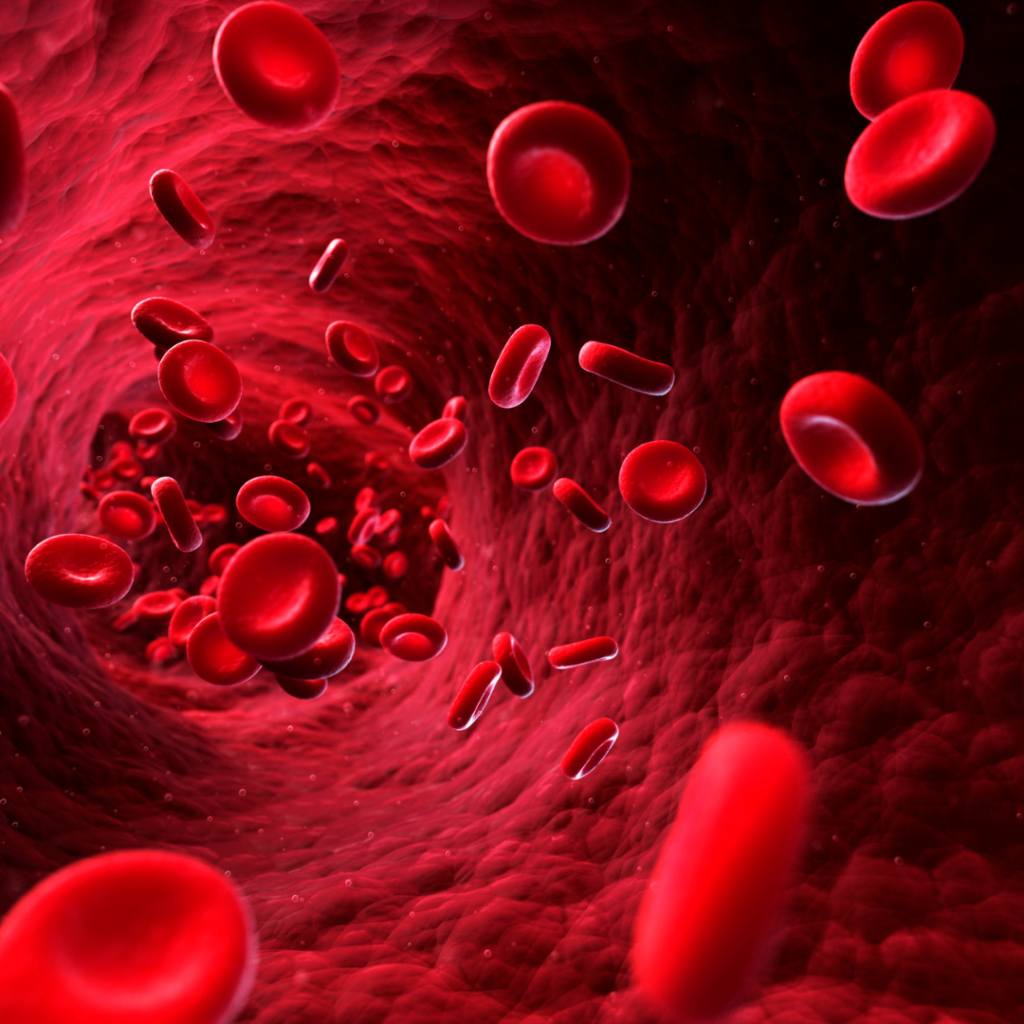
Angiogenesis describes the physiological process when new blood vessels form from existing ones.
What is Intracorporeal?
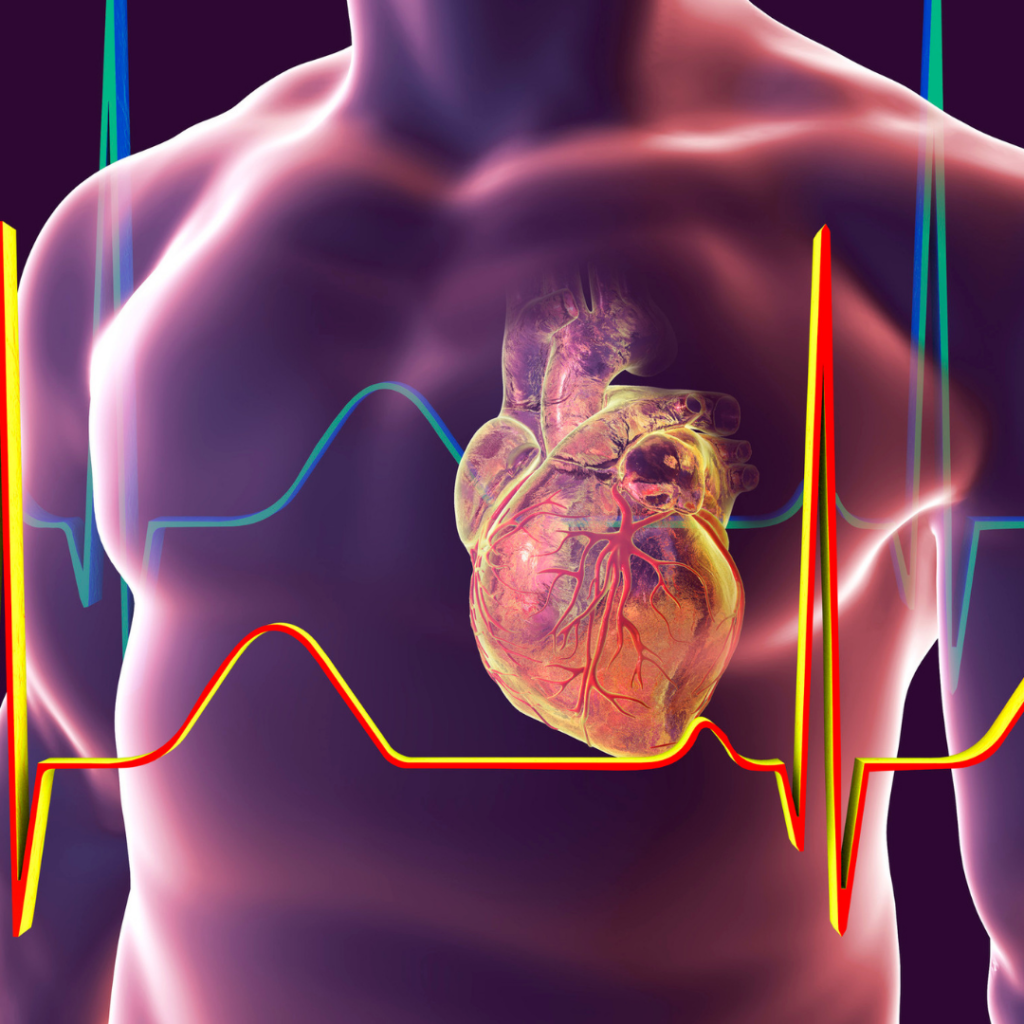
Intracorporeal means inside the body (as opposed to extracorporeal or outside of the body).
What is Extracorporeal?
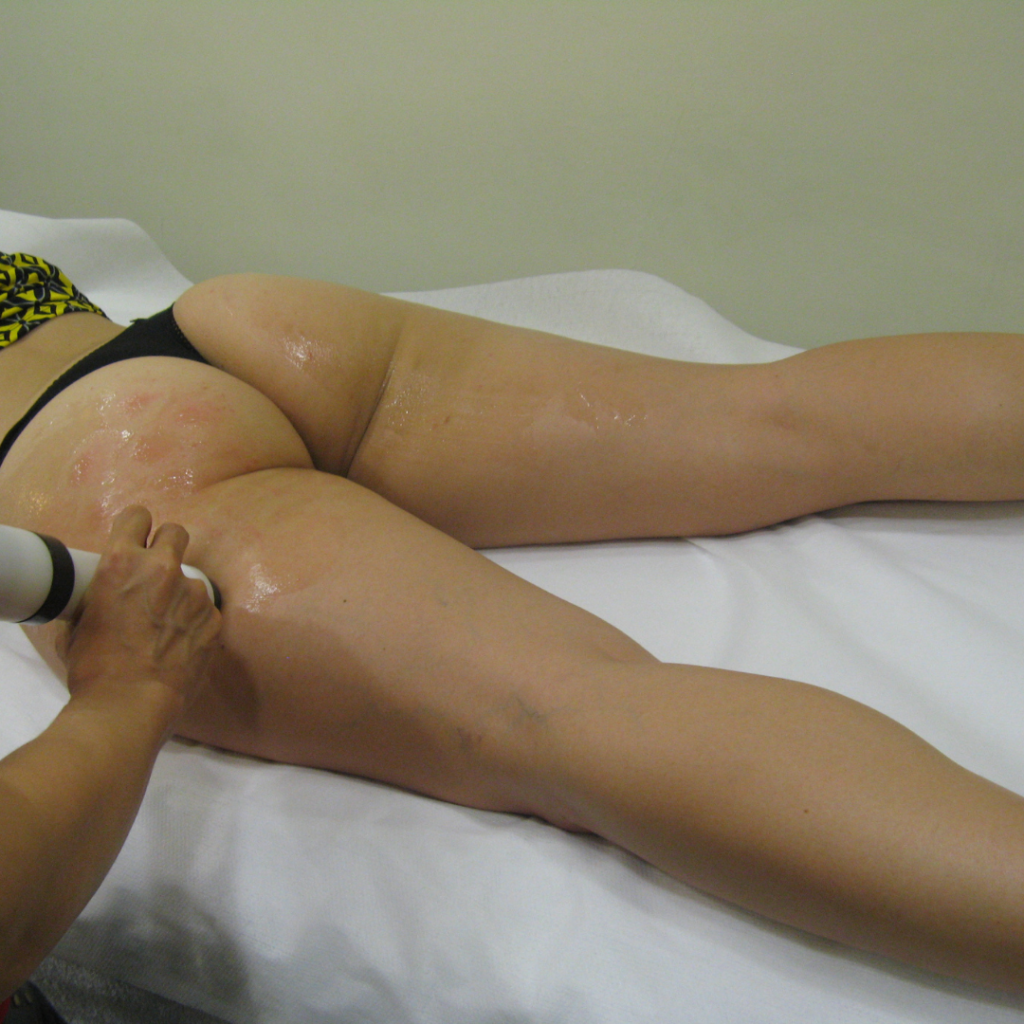
Extracorporeal means outside the body (as opposed to intracorporeal or inside the body).
What is Shockwave Therapy?
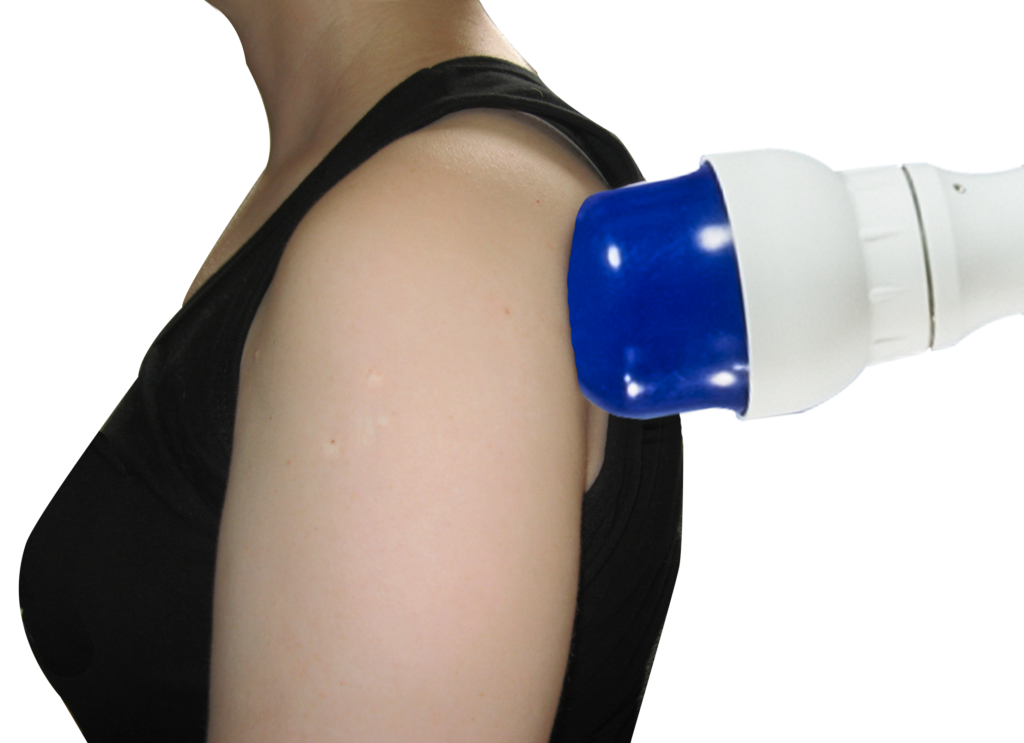
Shockwave therapy is an outpatient medical treatment that aids in the healing of common medical conditions.
European Society of Medicine Congress 2021

Hear speaker Dr. Jackie Reznik discuss: A New Era for Neuroscience, Extracorporeal Shockwave Therapy in the Management of Neurogenic Heterotopic Ossification
Regional Urological Association
Join us at this year’s 40th annual event for urologists around the world.
MEDICA World Forum for Medicine
International Trade Fair with conferences and forums for Medical Technology, Electromedicine, Health-IT, Laboratory Equipment, Diagnostics and Drugs.
